



-
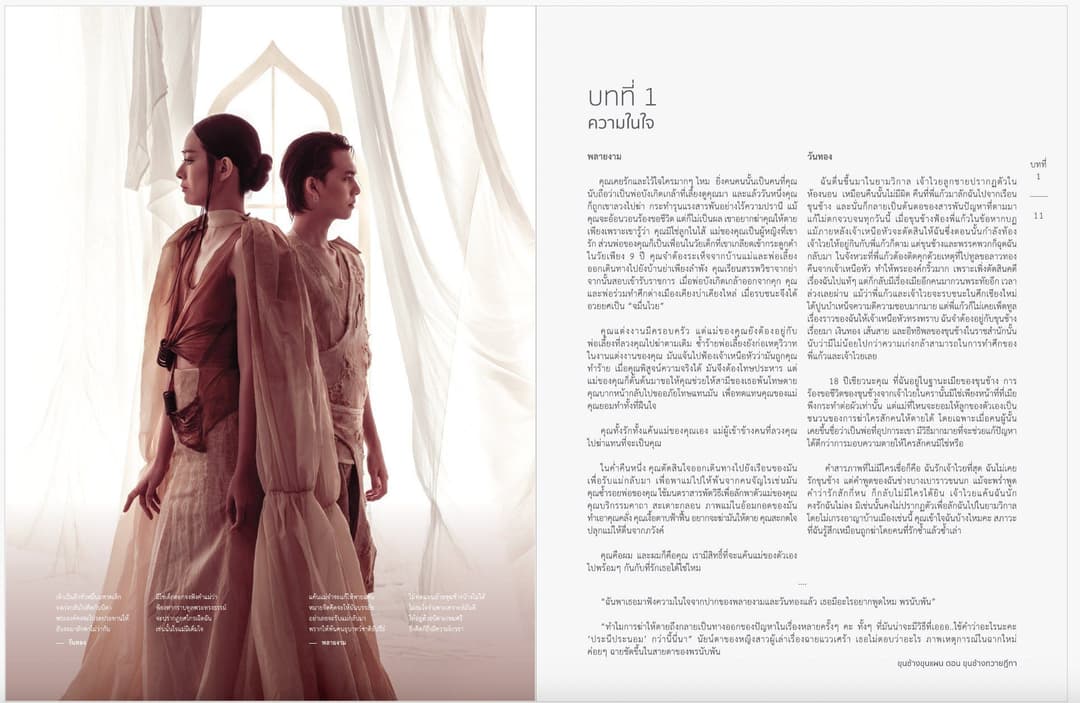
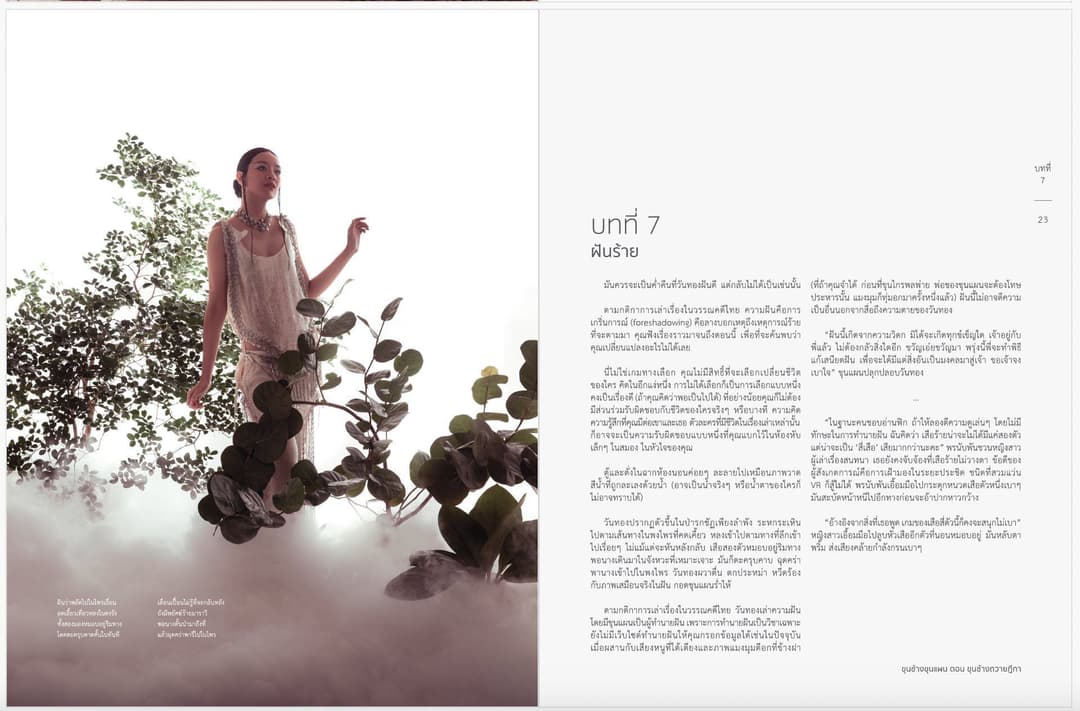
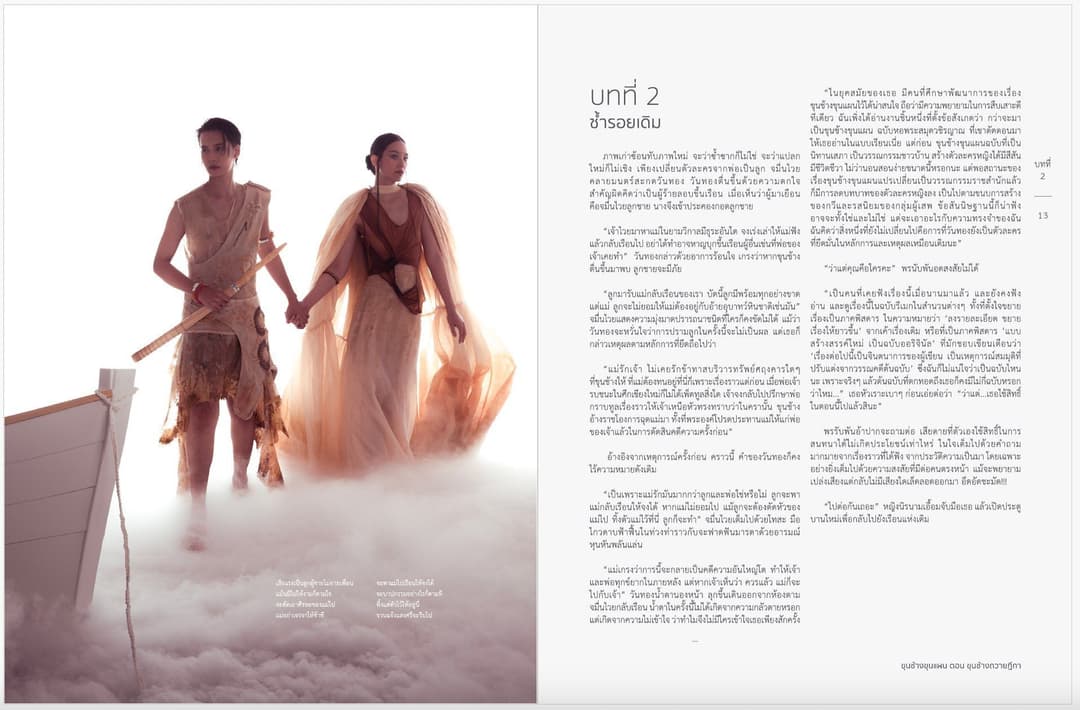
ปัจจุบันเยาวชนขาดความสนใจและไม่เห็นความสำคัญของการเรียนวรรณคดี เพราะคิดว่าเป็นเรื่องยาก, ซับซ้อน และขาดสื่อการเรียนรู้ที่ทันสมัยและน่าสนใจ ดังนั้นผู้วิจัยจึงเลือกวรรณคดีเรื่องขุนช้างขุนแผนตอนขุนช้างถวายฎีกาที่ใช้สอนในระดับชั้นมัธยมศึกษาปีที่ 6 มาพัฒนาเนื่องจากเป็นวรรณคดีที่สะท้อนวิถีชีวิต ประวัติศาสตร์ ขนบธรรมเนียมประเพณี สถานที่ท่องเที่ยวที่มีอยู่จริง โดยจะพัฒนาสื่อประชาสัมพันธ์ให้ทันสมัย เหมาะกับเยาวชนเพื่อแก้ปัญหาจากการเรียนวรรณคดีดังที่กล่าวมา นอกจากนี้สื่อประชาสัมพันธ์ที่สร้างขึ้นสามารถใช้เพื่อส่งเสริมการท่องเที่ยวและเศรษฐกิจเชิงสร้างสรรค์ของจังหวัดสุพรรณบุรี

คณะเทคโนโลยีการเกษตร
The use of chemical herbicides in agriculture has raised concerns due to its adverse effects on farmers' health, environmental sustainability, and consumer safety. Paraquat, a widely used herbicide, has been banned in Thailand. In response to this issue, this research focused on the development of natural herbicide products as an alternative to conventional chemical herbicides. The study involved the extraction of bioactive compounds from selected plants with potential herbicidal properties and evaluating their effectiveness in controlling target weeds. The results indicated that the developed natural herbicide demonstrates significant weed control efficiency. Additionally, this product can be applied to organic farming systems, reducing reliance on hazardous chemicals and promoting sustainable agricultural practices. The development of this natural herbicide served as an essential step toward environmentally friendly and safe agricultural solutions.

คณะเทคโนโลยีการเกษตร
This project involves the development of a plant care system for dormitories using IoT (Internet of Things). The system is implemented through programming on an ESP-32 board and controlled via sensors for automated watering. The commands are operated through smartphones, supporting both iOS and Android. It is expected that this project will make plant care in dormitories easier and more convenient.

คณะเทคโนโลยีการเกษตร
Soil is home to a diverse array of living organisms that interact within a complex food web, facilitating energy and nutrient cycling essential for sustaining life above ground. Among these organisms, soil microbes play a crucial role in supporting plant growth. Beneficial microorganisms enhance nutrient availability, improve soil structure by increasing porosity, and strengthen plant resistance to diseases. Conversely, harmful microorganisms, such as plant pathogens, can hinder plant growth and reduce crop yields when present in high concentrations. Neutral microorganisms, which naturally inhabit the soil, contribute to the soil ecosystem without directly impacting plants. A single teaspoon of soil contains over a billion microorganisms, yet only about 1% of them can be cultured in laboratory conditions. This highlights soil as one of the richest reservoirs of microbial diversity on Earth.